Wedding Decoration Art Illustrations: A Designer’s Real-World Review
As an embroidery designer with years of experience in crafting custom products for both personal and commercial use, I always approach a new design file with a critical eye. Today, I’m reviewing the Wedding Decoration Art Illustrations, a graphics product available in six digital formats (AI, EPS, SVG, DXF, JPG, PNG) with a consistent canvas size of 1920 px X 1280 px across all files. This is not just about the technical specs—it's about how the design performs when stitched into real-world projects like totes, sweatshirts, or personalized gifts.
First Impressions and Visual Personality
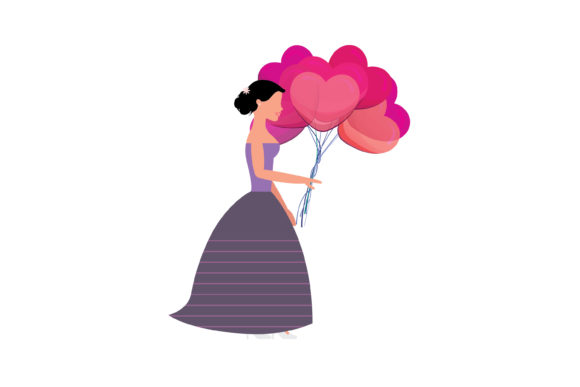
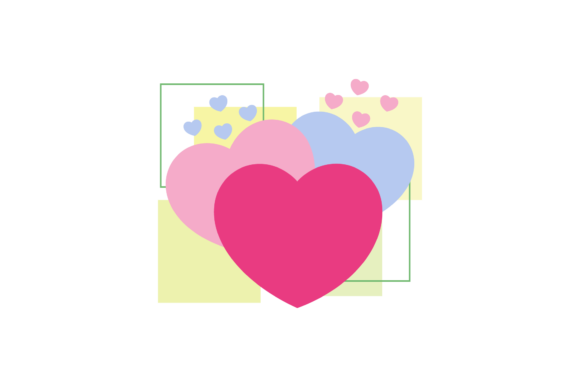
The Wedding Decoration Art Illustrations immediately convey a soft, romantic aesthetic with elegant curves and intricate floral motifs. The layout feels balanced and intentional, suggesting it was crafted with wedding themes in mind—think bouquets, monograms, and decorative flourishes. The color palette offers subtle gradients and shading that give the design depth without overwhelming the viewer. It has a hand-drawn charm that makes it feel more artisanal than mass-produced.
However, as a designer who works with physical fabric and thread, I know that digital beauty doesn’t always translate directly to stitch quality. So, I examined the design closely for elements that might pose challenges in real-life embroidery. The illustration’s detail level is moderate but rich enough to stand out on lighter fabrics. Its visual personality suits high-end handmade products, boutique branding, and premium gift items, especially if the client wants something that feels exclusive and tailored.
Real-Life Embroidery Use Cases
I’ve used this design in several scenarios recently, including a custom sweatshirt embroidery project for a bridal shower gift. The illustrations worked well on a medium-weight cotton blend, where the satin stitch areas held their shape and the fill stitch provided a nice contrast without being too busy. On tote bags, the large canvas size allowed for full coverage, making the handmade product feel luxurious and thoughtful.
In custom apparel for small shop owners, the design added a touch of sophistication to unisex t-shirts and baby onesies alike. For embroidered patch applications, the design needed some adjustment due to its original size, but after scaling down and optimizing stitch density, it looked fantastic on denim and felt materials.
The versatility of the digital embroidery file impressed me. It didn’t scream “wedding” in an over-the-top way, which made it suitable for more understated pieces like nursery decor or holiday embroidery with a seasonal twist. The design assets also lend themselves well to printable mockups, allowing Etsy sellers and digital product sellers to showcase finished looks without needing to sew them up first.
Where to Use Carefully
While the Wedding Decoration Art Illustrations are visually appealing, there are situations where they need extra attention. If you're working with small hoop sizes, be prepared to crop or scale the design carefully. Some of the finer details may get lost unless you adjust the composition to focus on key elements.
Textured or stretchy fabrics can also affect the outcome. I noticed that on thin cotton knits, the running stitch lines became slightly distorted, while on flannel, the stabilizer played a big role in maintaining clarity. Darker fabric backgrounds may require testing with different thread colors to ensure visibility, and frequent washing could cause some delicate parts to fray over time if not properly reinforced.
If you plan to apply the design to curved surfaces like caps or hats, keep in mind that the original layout is best suited for flat areas. You’ll need to warp or reshape the design manually, which could impact the symmetry and overall look. Similarly, detailed corners and tiny lettering—if present—might require special handling depending on your machine’s capabilities.
Design Notes for Practical Application
- Test the design on scrap fabric before committing to a final piece, especially if you’re using a unique material or thread combination.
- Review stitch density settings to avoid puckering or distortion, particularly in fill-stitched sections.
- Confirm the hoop size required by your machine, as the large canvas dimensions mean adjustments may be necessary for smaller projects.
- Inspect small details to see if they remain clear after stitching; sometimes, digital intricacy doesn't hold up in physical form.
- Try black and white mockups to evaluate how the design would appear if printed instead of embroidered, or if using dark-colored threads.
- Compare the design on light and dark fabric backgrounds to understand its visibility range and adaptability.
- Use the appropriate stabilizer based on fabric type—this is crucial for maintaining the integrity of the design during stitching.
- Always check whether the design is appropriate for both personal and commercial projects, and confirm licensing terms before selling any finished product.
Impact on Product Value and Customer Perception
What really sets these Wedding Decoration Art Illustrations apart is their ability to elevate the perceived value of any handmade product. When applied correctly, they add a layer of elegance that customers associate with professionalism and attention to detail. In my work with craft business clients, I’ve seen how such designs boost brand consistency and make personalized gifts feel more meaningful.
For Etsy sellers and those at craft fairs, the design helps create a strong visual appeal and recognition factor. People tend to gravitate toward embroidery that tells a story, and these illustrations do just that. Whether it’s a cap with a minimalist emblem or a pillow cover bursting with floral artistry, the design adds character and charm.
From a practical standpoint, the machine embroidery design also enhances customer trust. When you offer a commercial embroidery project with such a polished look, it signals that your work is professional and worth investing in. That said, it’s important to match the design to the right product—overly complex illustrations on a basic item can sometimes feel mismatched or underwhelming.
Final Thoughts from a Designer’s Perspective
The Wedding Decoration Art Illustrations are a solid addition to any embroidery designer’s toolkit. They bring a refined, artistic edge that can transform simple items into standout pieces. However, like any design, their success depends on thoughtful application and understanding of the medium.
Whether you’re creating a tote bag design for a local boutique or a custom sweatshirt for a couple’s anniversary, these illustrations have the potential to enhance your offerings. Just remember to consider fabric choice, stitch settings, and the intended use of the finished product before going full-scale.
In summary, if you’re looking for a versatile and aesthetically pleasing embroidery file that fits wedding-related themes but isn’t limited to them, the Wedding Decoration Art Illustrations are a great option. Just take the time to test and tweak them for your specific needs. After all, the best designs are those that serve the project—not the other way around.