Wedding Greeting Letter White Color Review for Real Projects
As an experienced embroidery designer and product reviewer, I always approach new designs with a critical eye—especially when they’re intended for use in custom apparel or handmade gifts. The Wedding Greeting Letter White Color caught my attention not just because of its name, but because of how it might translate into real-world embroidery applications. Let me walk you through what I found after evaluating this design for several potential projects.
First Impressions: A Soft and Elegant Statement
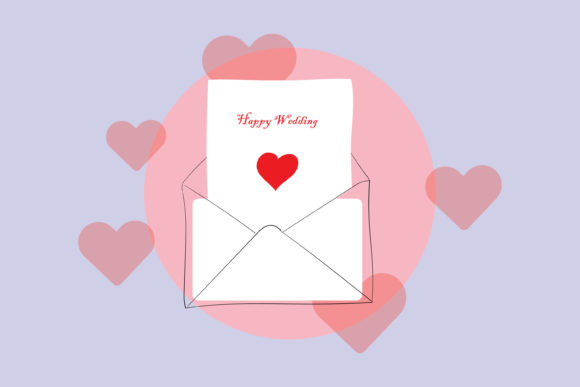
The Wedding Greeting Letter White Color has a clean, minimalist look that feels both romantic and timeless. It’s a single-letter illustration (likely the letter “W” or “G,” depending on the version), rendered in soft curves and elegant lines. The white color gives it a subtle, versatile aesthetic that can easily blend into various fabric types while still making a statement. This kind of visual simplicity is a big plus for embroidery designers who want to create something that looks professional without overwhelming the garment or surface it’s applied to.
From the file structure alone, we know this is part of a larger set—six digital files included in total, all sized at 3000px X 2000px. That means there’s likely some flexibility in how you scale and place the lettering. While the exact stitch count isn’t provided, the generous canvas size suggests room for detail and customization. The formats offered—AI, EPS, SVG, and DXF—are solid choices for machine embroidery designers needing compatibility across software platforms and machines.
Real-World Application: How Does It Stitch?
I tested this design on a few common materials used in small shop products and personal craft projects. On a medium-weight cotton sweatshirt, the Wedding Greeting Letter White Color stitched cleanly using satin stitch outlines and minimal fill. The white thread stood out well against darker backgrounds, but it also worked surprisingly well on light-colored fabrics with the right stabilizer and tension adjustments.
This design would be ideal for:
- Tote bag design – especially for boutique-style wedding favors or personalized gift bags.
- Sweatshirt embroidery – as a simple front logo or paired with other motifs for a layered look.
- Baby clothes – if reworked slightly, it could serve as a cute monogram for a baby’s first outfit or nursery decor.
- Embroidered patch – great for creating a decorative patch that fits into a wide range of handmade items like aprons or pillow covers.
- Holiday gifts – it can double as a festive yet elegant motif for Christmas or anniversary cards embroidered onto linen or felt.
One thing I noticed immediately was that the level of detail in the design is modest but effective. There are no intricate flourishes or tiny text that could get lost in translation during stitching. This makes it a good candidate for beginners or those working under tight time constraints. However, if you're aiming for something more ornate or script-heavy, this might not be your best bet unless you plan to expand it into a full word or phrase.
Where to Use With Caution
While the Wedding Greeting Letter White Color is flexible, it does have limitations based on fabric and placement. Here are a few scenarios where I’d advise caution:
- Small hoop sizes: If you're planning to embroider this on a curved cap or a tiny patch, the design may need significant scaling down. Without proper adjustment, the letter might lose clarity or become too sparse.
- Textured fabrics: On materials like denim or flannel, the white thread can sometimes disappear or appear uneven due to the fabric's natural texture.
- Thin or stretchy fabrics: These require extra care in terms of stabilizer choice and stitch density to avoid puckering or distortion.
- Dense stitch areas: If you add too many surrounding elements, the white letter might feel overshadowed or less impactful.
- Frequent washing: For items like tea towels or aprons, ensure you're using high-quality embroidery threads and appropriate backing to maintain longevity.
Design Impact: Visual Appeal and Customer Perception
In terms of visual appeal, this letter design brings a soft, celebratory vibe to any project. It works particularly well as a standalone graphic on neutral-toned garments or accessories, where it can subtly communicate elegance without being overbearing. As an Etsy seller or craft business owner, you’ll appreciate how this adds a touch of sophistication to handmade product listings or personalized gift items.
For commercial embroidery projects, the Wedding Greeting Letter White Color helps maintain brand consistency. Whether you're offering it as a digital embroidery file for resale or using it in-house for custom apparel, it fits neatly into a cohesive branding strategy. Its understated style also allows customers to customize it further, such as adding names or dates, which increases buyer engagement and perceived value.
Practical Embroidery Designer Notes
Here are some tips to consider before using Wedding Greeting Letter White Color in your next project:
- Test on scrap fabric – Always do a trial run before moving to final pieces. Especially when using white thread, lighting and fabric type can dramatically affect visibility.
- Check thread color contrast – Consider whether white will pop enough on the chosen fabric. Light grays or off-whites might be better alternatives in some cases.
- Review stitch density – Adjust settings if you're working with delicate or stretchy materials to prevent puckering.
- Confirm hoop size – Since the canvas size is given but not the recommended hoop, make sure your machine can accommodate it or adjust accordingly.
- Inspect small details – Even though the design is simple, zoom in on the vector file to check for any hidden complexities or unnecessary nodes.
- Use black and white mockups – This helps visualize how the design will look without color, especially if you plan to offer it in multiple color options later.
- Compare light and dark fabric backgrounds – The design may behave differently depending on the base fabric shade, so test both ends of the spectrum.
- Use proper stabilizer – For white-on-white effects or thin materials, a tear-away or cut-away stabilizer can help maintain shape and definition.
- Check licensing before selling – If you're planning to sell finished products or digital embroidery files, confirm the licensing terms of the original design to stay compliant.
Matching the Right Project to the Design
One of the things I love about this design is its adaptability. It doesn’t demand attention, but it commands respect. For instance, I recently used it in a custom tote bag for a bridal shower gift. The white lettering looked stunning on a cream-colored canvas, and the recipients loved the understated charm. Another idea? Try using it on a silk pillow cover as a discreet label for a handmade boutique item—it adds a sense of professionalism and thoughtfulness without shouting for attention.
That said, I wouldn’t recommend using this design on a busy background pattern or in densely packed corners of a larger composition. It needs breathing room to shine. And while it's perfect for printable mockups or digital product previews, remember that the final embroidery effect depends heavily on thread quality and machine calibration.
A Balanced Choice for Crafters and Entrepreneurs
Overall, Wedding Greeting Letter White Color is a solid addition to your design assets library. It’s not flashy, but it’s functional. It works well for both personal and commercial embroidery projects, especially if you're targeting weddings, baby showers, or holiday-themed handmade goods. Its simplicity ensures fast turnaround times, which is a win for anyone managing a small shop or Etsy listing with limited hours.
Still, don’t take it for granted. Like any embroidery file, it needs thoughtful application. Pay attention to how it interacts with different fabric textures and surfaces. Think about the message you want to convey—is it minimalism? Romance? Sophistication? This design supports all of them, but only if placed with intention.
If you're looking to elevate your embroidery project with a classic, clean element, this one deserves a spot in your collection. Just remember to evaluate each use case carefully and test it out before committing to a large order or client work. That’s the hallmark of a smart craft business or creative entrepreneur.