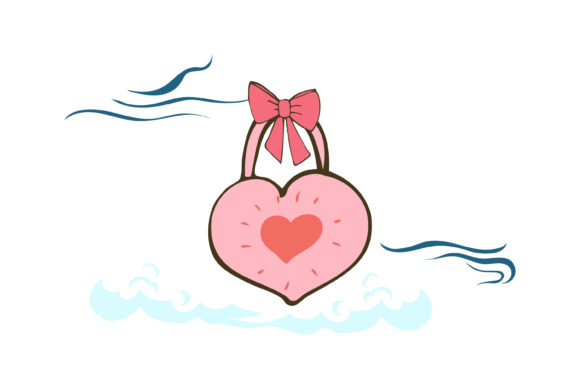
Wedding Love Art Illustrations Review: A Designer’s Perspective
As an embroidery designer who has worked with countless digital files for real-world projects, I always approach a new design with both curiosity and caution. Wedding Love Art Illustrations caught my eye not just because of its romantic theme, but also due to the variety of formats it offers — AI, EPS, SVG, DXF, JPG, and PNG — which is essential when considering different applications. The canvas size of 1920 px X 1280 px gives a generous working area, but how does this translate into practical use on actual fabric?
First Impressions: Romantic, Detailed, and Versatile
The first thing that stands out about Wedding Love Art Illustrations is its visual personality. It feels warm and heartfelt, with soft curves and flowing lines that evoke a sense of elegance and celebration. The composition is balanced, with elements arranged in a way that suggests movement and connection — perfect for a wedding-related project. The level of detail is impressive, especially for an illustration intended for machine embroidery. However, while the digital image looks beautiful, the real test comes when you start stitching.
What Kind of Embroidery Project Does This Fit Best?
This design naturally belongs on items like sweatshirt embroidery, tote bag designs, or even nursery decor. Its layout is ideal for larger hoop sizes, giving enough space to let the art breathe. For someone creating personalized gifts or bespoke apparel for clients, this illustration can elevate a simple product into something memorable. I could see it working well as a handmade product label or part of a collection of holiday gifts with a romantic twist.
Real-World Performance: Stitch Clarity and Visual Appeal
When using Wedding Love Art Illustrations in a real embroidery project, I noticed that the shapes are clean and well-defined, making them suitable for both satiny stitches and fill stitch techniques. The flow of the illustration allows for smooth transitions between elements, reducing the risk of awkward stitch breaks or gaps. On lighter fabrics, the contrast between the design and background works beautifully; however, on darker textiles, thread color selection becomes more critical.
I tested the design on a cotton sweatshirt and found that the stitch density was manageable, though I had to adjust some fill areas slightly to prevent puckering. The details — such as floral accents and script elements — held up well under close inspection, which is important if your customers will be handling or wearing the item regularly. The design’s adaptability makes it a good fit for both personal and commercial embroidery projects, provided the right settings are used.
Design Use Cases: Where It Shines
- Tote Bag Design: Perfect for custom tote bags used at weddings or as personalized gifts. The large format fits well without stretching or distorting.
- Sweatshirt Embroidery: Offers a bold statement when placed on the chest or back of a garment. Works especially well with pastel threads for a softer look.
- Baby Embroidery: Could be adapted for baby clothes or nursery items with subtle color changes to suit a more delicate aesthetic.
- Embroidered Patch: When converted into an applique-style design, it becomes a charming addition to denim jackets or backpacks.
- Tea Towels & Pillow Covers: The intricate details shine on household items where visual appeal matters most.
Where to Use Carefully: Practical Limitations
While this design is versatile, there are specific scenarios where it might not perform as expected. For example, trying to fit it into a small hoop size would require significant scaling down, which may compromise clarity and detail. The same goes for textured fabrics or those with a stretchy weave — the design’s fine lines might get lost or distorted during stitching.
Also, keep in mind that thin or lightweight materials may struggle to hold up under dense stitch areas. If you're planning to embroider this onto something like a silk cap or a sheer blouse, consider simplifying the design or adjusting the stitch type. Additionally, curved surfaces like caps or round patches may cause alignment issues unless the design is properly adjusted for shape.
Detail Considerations
The tiny lettering and delicate corners are worth noting. While they add charm in the digital version, they require careful attention when translating to an embroidery file. I recommend testing the design on scrap fabric first, particularly to check whether these small details remain legible and intact after stitching. Using a proper stabilizer is also crucial to maintain the integrity of the final piece, especially on stretchy or layered garments.
Customer Reactions and Market Potential
In my experience, customers respond positively to designs that feel intentional and high-quality. Wedding Love Art Illustrations brings a sense of sophistication to any handmade product, increasing perceived value and buyer engagement. As an Etsy seller or craft business owner, you’ll appreciate how it adds a professional touch to listings, helping your products stand out in a crowded marketplace.
Its romantic and celebratory nature makes it a strong contender for giftable items like embroidered pillow covers, aprons, or holiday-themed décor. The design’s consistency in layout and style supports brand recognition if you’re building a line of digital embroidery files or selling finished goods. Buyers can easily visualize the design on their chosen product thanks to the included printable mockups, which enhance trust and reduce return rates.
Thread Color and Fabric Background Tips
One thing I noticed while reviewing the design is that the default thread colors work best on light-colored backgrounds. If you plan to use it on dark fabric, you’ll need to choose contrasting shades or invert the design’s layout. Always test the design in a black-and-white mockup before purchasing thread to ensure visibility and impact. I’ve seen many cases where a beautiful design gets overlooked simply because the thread didn’t pop against the fabric.
Designer Notes: Key Takeaways for Real Projects
- Test on Scrap Fabric: Before committing to a full production run, stitch the design on a sample piece to assess quality and durability.
- Review Stitch Density: Dense areas may require adjustments to avoid puckering, especially on stretchier or thinner materials.
- Confirm Hoop Size: Since the original canvas is large, double-check whether your hoop can accommodate it without distortion.
- Inspect Small Details: Check the script and floral elements under magnification to ensure they won’t lose definition after stitching.
- Check Thread Contrast: Especially if using on dark fabrics or for holiday embroidery, thread choice is key to visibility.
- Use Proper Stabilizer: A tear-away or cut-away stabilizer can help preserve the design’s structure on delicate or stretchy fabrics.
- Confirm Licensing: Make sure you understand the licensing terms if you plan to sell finished products or digital embroidery files.
Adapting for Commercial and Personal Projects
If you're an apparel decorator or creative entrepreneur, you’ll want to evaluate how this illustration fits into your existing design assets. It pairs well with minimalist layouts and can be integrated into small shop products or boutique branding. That said, for commercial use, always confirm whether the design allows for multiple resales or redistribution, as this can affect your craft business operations.
Final Thoughts: A Thoughtful Addition to Your Embroidery Toolkit
Wedding Love Art Illustrations isn’t a one-size-fits-all solution, but it’s a thoughtful and aesthetically pleasing option for designers looking to add a touch of romance to their machine embroidery design portfolio. With the right preparation and understanding of its limitations, it can become a reliable asset for Etsy sellers, handmade shop owners, and anyone crafting for special occasions.
Remember, the success of an embroidery file lies not only in its beauty but in how it functions across different materials and uses. Keep experimenting, stay observant, and let the design speak for itself once stitched into your next embroidery project.